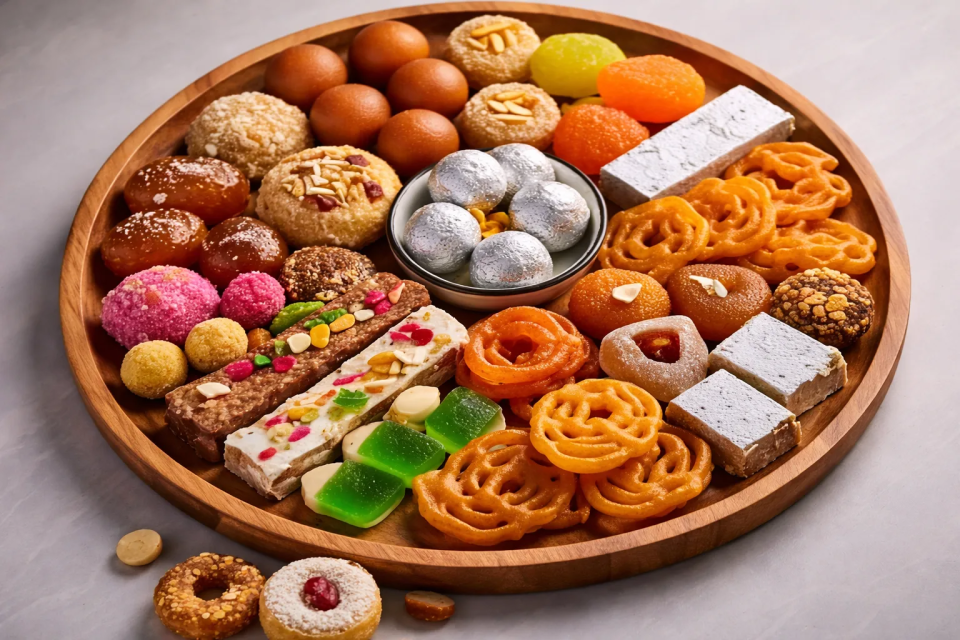
A gentle sweetness hangs in the air near the end of dinner service. Plates that once held spicy curries and crispy dosas are pushed aside as a server places small bowls of dessert on the table. The glow of warm lighting reflects off golden sweets, while the scent of cardamom and ghee drifts across the dining room.
This moment is becoming familiar to many diners in Houston, Texas. After a flavorful meal, guests lean forward with curiosity, eager to try the desserts everyone has been talking about.
However, in recent years, South Indian Desserts Houston foodies used to think were exclusive have gradually emerged as favorites among traditional Indian food enthusiasts and adventurous foodies willing to try new dishes at an Indian restaurant Houston food lovers recommend.
What begins as a simple sweet dish often turns into a discovery of tradition, culture, and comforting flavors.
A Sweet Ending That Starts Conversations
In many cultures, dessert is an afterthought. But in South Indian dining traditions, sweets hold a deeper meaning.
They celebrate special occasions. They mark festivals and family gatherings. They’re often the final note that brings balance to a meal filled with spices.
At Thanjai Mess, guests often discover desserts almost by accident. Someone at the table orders one to share, curious about the menu.
Moments later, spoons begin passing around the table.
For families searching online for Indian restaurant near me, this experience becomes one of the highlights of the evening.
The sweetness isn’t overwhelming. Instead, it carries subtle flavors from ingredients like jaggery, coconut, cardamom, and milk, flavors that feel comforting and deeply traditional.
Why South Indian Desserts Houston Diners Love Are Growing in Popularity
South Indian desserts are becoming popular in Houston because they offer unique flavors made with traditional ingredients like jaggery, coconut, cardamom, and ghee. These sweets provide a lighter, aromatic alternative to Western desserts while reflecting authentic Indian culinary traditions.
Houston’s diverse food culture encourages diners to explore beyond familiar flavors.
Food lovers who visit a South Indian restaurant often expect savory dishes like dosa or biryani. But when they discover traditional sweets at the end of the meal, it adds another layer to the experience.
Several factors explain why South Indian sweets in Houston are gaining attention:
• They offer natural sweetness rather than heavy sugar
• Many recipes use traditional ingredients like jaggery and coconut
• Desserts are often served warm and freshly prepared
• They reflect regional culinary heritage from South India
For many diners, these sweets feel both exotic and comforting at the same time.
A Kitchen That Honors Generations of Sweet Traditions
Behind every dessert is a recipe shaped by generations.
In South Indian homes, sweets are often prepared slowly, with patience and care. Milk is simmered until it thickens. Coconut is freshly grated. Jaggery melts into deep caramel-like sweetness.
At Thanjai Mess, the kitchen carries these traditions forward.
The chefs understand that a dessert is more than sugar and milk. It’s a balance of textures and aromas.
A spoonful might begin creamy, then reveal hints of roasted nuts, cardamom, or ghee.
For those looking to explore traditional South Indian sweets Houston, this emphasis on details ensures that desserts served are traditional and not commercially made.
Signature South Indian Sweets Guests Love to Try
Popular South Indian desserts include payasam, kesari, and other milk-based sweets flavored with cardamom and ghee. These dishes offer creamy textures and balanced sweetness, making them a favorite ending to a flavorful Indian meal.
At Thanjai Mess, customers have come to enjoy a few desserts that have emerged as their favorites.
Pineapple Rava Kesari
A fragrant and vibrant semolina dessert infused with pineapple and ghee. The texture is soft and slightly grainy, while the tropical sweetness of pineapple adds a refreshing twist to the traditional kesari recipe. It’s warm, comforting, and beautifully aromatic.
Semiya Payasam
One of the most beloved South Indian desserts, this creamy vermicelli pudding is made with milk, sugar, and roasted nuts. Lightly flavored with cardamom, Semiya Payasam offers a silky texture and gentle sweetness that makes it perfect after a flavorful meal.
Bread Halwa
Rich, indulgent, and deeply satisfying, Bread Halwa is made from fried bread cooked slowly with milk, sugar, and generous amounts of ghee. The result is a thick, glossy dessert with caramelized notes and a comforting warmth that dessert lovers adore.
Iruttu Kadai Halwa
This famous wheat-based halwa originates from Tamil Nadu and is known for its dark color and melt-in-your-mouth texture. Slow-cooked with ghee and sugar, it has a smooth, almost silky consistency that makes every bite rich and unforgettable.
Akkaravadisal
A traditional temple-style dessert prepared with rice, jaggery, ghee, and cardamom. Akkaravadisal is creamy, deeply aromatic, and slightly caramel-like due to the use of jaggery. It’s a classic sweet often enjoyed during festivals and special occasions.
Jigarthanda
Jigarthanda is a cold beverage served in the Madurai style and is different to the majority of desserts because it’s making it a very refreshing drink. It contains a mixture of milk, badam pisin (almond gum), and nannari syrup, therefore its sweetness and cooling nature after finishing a meal of spicy South Indian food would normally work very well together.
Coconut-Based Sweets
A lot of times, desserts made from grated coconut or made from jaggery also are usually served with the same types of finishing sauces.
For many visitors exploring Indian sweets Houston Texas, these dishes offer an entirely new perspective on dessert.
Are South Indian Desserts Different from Other Indian Sweets?
There are South Indian desserts with coconut, jaggery, rice and lentils, and they are generally lighter than many northern Indian sweets, with less sugar, while they still continue to have a rich flavour and all their traditional aromas.
North Indian desserts like gulab jamun or barfi are widely known.
South Indian sweets, however, offer their own unique personality.
Key differences include:
• Use of jaggery instead of refined sugar
• Frequent use of coconut and rice-based ingredients
• Warm dessert preparations like payasam
• Balanced sweetness rather than intense sugar levels
These characteristics make them appealing to diners looking for desserts that feel indulgent without being overly heavy.
Dessert Time in a Dining Room is Full of Energy
On a typical weekend evening in Houston, the dining room at Thanjai Mess feels lively.
Families from Sugar Land arrive for dinner after a long week. Young professionals from Katy meet friends for a relaxed meal. Couples from Pearland explore new dishes together.
After plates of dosa, biryani, and curries, dessert becomes the final chapter of the evening.
Servers bring small bowls to the table, and conversations pause as guests take their first bite.
It’s in these moments that diners realize why South Indian food Houston continues to gain popularity.
The meal feels complete.
Dining Options That Fit Houston’s Busy Lifestyle
Modern diners expect flexibility, and the restaurant offers several convenient ways to enjoy authentic Indian cuisine.
Dine-In Experience
Guests can relax and enjoy traditional meals in a welcoming dining space perfect for families and friends.
Takeout for Busy Nights
Professionals often order takeout after work when they want comforting South Indian food Houston residents love without cooking at home.
Catering for Celebrations
From birthdays to office gatherings, catering allows hosts to bring authentic flavors to special events.
Group Dining
Large tables make the restaurant a popular choice for celebrations and gatherings.
This versatility makes it a favorite Family Indian restaurant Houston residents return to regularly.
Frequently Asked Questions
Are South Indian desserts very sweet?
No. Many South Indian desserts use natural ingredients like jaggery and coconut, which create a balanced sweetness rather than an overpowering sugary taste. This makes them enjoyable even for diners who normally prefer lighter desserts.
What dessert should first-time visitors try?
Many first-time guests start with payasam or kesari. These traditional desserts showcase the flavors of South Indian cooking and offer a comforting, creamy texture that pairs beautifully with a spicy meal.
Are desserts available for takeout?
Yes. Many diners order desserts along with their meals for takeout. It’s a great way to enjoy traditional Indian sweets at home after dinner or share them with family members.
Is this restaurant good for families?
Absolutely. The welcoming atmosphere, diverse menu, and comfortable seating make it ideal for families. Children often enjoy exploring the desserts after trying classic dishes like dosa or biryani.
Do South Indian restaurants serve desserts year-round?
Yes. While some sweets are traditionally associated with festivals, many restaurants serve them throughout the year so diners can enjoy them anytime.
Discover the Sweet Side of South Indian Cuisine in Houston
Some dining experiences stay with you long after the meal ends.
At Thanjai Mess, the journey often begins with bold spices and savory dishes — but it’s the dessert that leaves the final impression.
The warmth of cardamom. The richness of ghee. The gentle sweetness of traditional recipes.
For families exploring South Indian desserts Houston diners are talking about, or for curious food lovers searching for an Indian restaurant Houston locals recommend, this restaurant offers something memorable at the end of every meal.
Visit Thanjai Mess in Houston, Texas and discover how a simple bowl of dessert can turn an ordinary dinner into a sweet tradition worth repeating.